
Review · THIRD REICH & WWII SITES
Private Day Tour to Germany and Poland – Traces of World War 2
Sachsenhausen is the heart of this experience: a former Nazi concentration camp where an audio-guided visit gives you time to face painful facts at your own pace. The day then shifts across the border to Szczecin, where postwar Poland, the Iron Curtain, and the country’s road to freedom come into focus. Maciej Krupski provides the private driving and historical commentary.
I like the thoughtful contrast between the three-hour memorial visit and the more relaxed Szczecin walk. I also like the practical touches: hotel pickup, drinks and snacks in the vehicle, and a sit-down Polish dinner. The drawback is clear: this is a very full day, with about four hours spent driving and a return to Berlin around 8 p.m.
In This Review
- Key points at a glance
- Why this 12-hour route matters
- Sachsenhausen: a serious first stop
- The two-hour crossing into Szczecin
- Szczecin’s landmarks in a compact walk
- Underground Routes and the civilian side of war
- The Dialogue Centre Upheavals and life behind the Iron Curtain
- Polish dinner in Rynek Sienny
- What the private format adds
- Who should book this day?
- Should you book it?
- FAQ
- What time does the tour start?
- How long does the experience last?
- Is transportation private?
- Is dinner included?
- Are snacks and drinks provided?
- Is admission to Sachsenhausen included?
- Are the Szczecin Underground Routes open every day?
- What is the cancellation policy?
Key points at a glance
- Sachsenhausen takes center stage: Allow three hours for the memorial and audio-guided museum visit.
- You cross into Poland: Szczecin adds a second country and a different view of wartime and postwar Europe.
- Maciej handles the long day: The private format gives you direct conversation, flexible explanation, and door-to-door transport.
- Two Szczecin museums share the afternoon: The Underground Routes and the Dialogue Centre Upheavals cover civilian life, the Cold War, and Poland’s path to freedom.
- Dinner is part of the experience: A traditional Polish meal in a local restaurant closes the sightseeing portion of the day.
- Plan around museum closures: The Underground Routes close Tuesdays and Wednesdays, while the Dialogue Centre closes Mondays.
Why this 12-hour route matters
This is not a quick Berlin highlights tour with a token border crossing. It follows a clear historical thread: Nazi persecution, civilian life during wartime, the postwar Soviet sphere, and Poland’s struggle for political freedom.
That sequence gives the day purpose. At Sachsenhausen, you confront the machinery and human cost of Nazi rule. In Szczecin, you see how ordinary people lived with air raids, fear of atomic war, and the restrictions of life behind the Iron Curtain. The final museum looks toward freedom rather than ending in 1945.
I find that structure useful because it keeps the trip from becoming a pile of unrelated sights. You are not simply checking off a concentration camp, a Polish city, and a dinner. You are following the difficult changes Europe went through across one border region.
The private setup also changes the tone. Maciej picks you up from your hotel in the Berlin area at 8 a.m., and the vehicle becomes a quiet base for a long day. The supplied drinks and snacks matter more than they might on a short city tour. They save you from hunting for food during the transfers and help keep the schedule moving.
More Third Reich sites in Berlin:
- Berlin: Third Reich and Cold War 2 Hour Walking Tour
★ 4.9 · 6,830 reviews - Berlin: Berlin Story Bunker Entry Ticket
★ 4.6 · 6,759 reviews - Berlin’s Best: 2 Hour Walking Tour Third Reich and the Cold War
★ 5.0 · 5,486 reviews
Sachsenhausen: a serious first stop
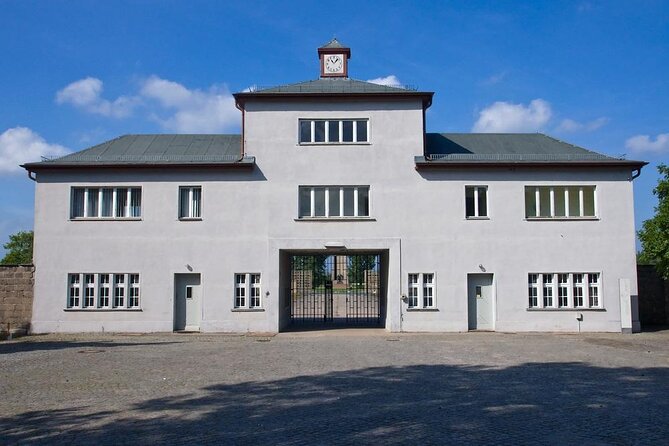
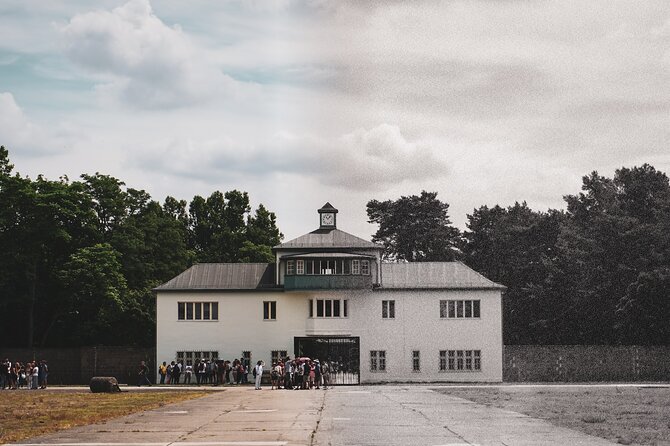
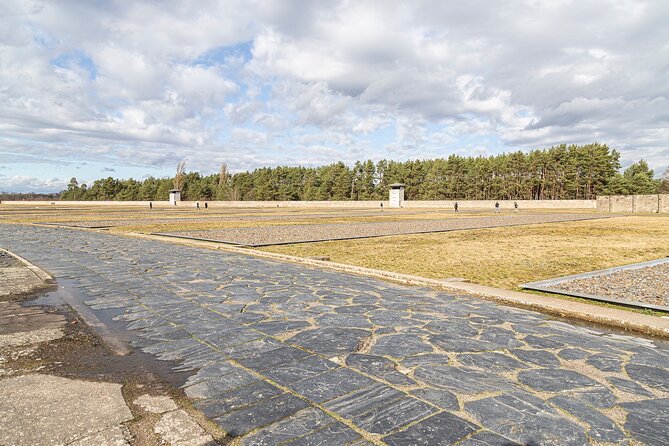
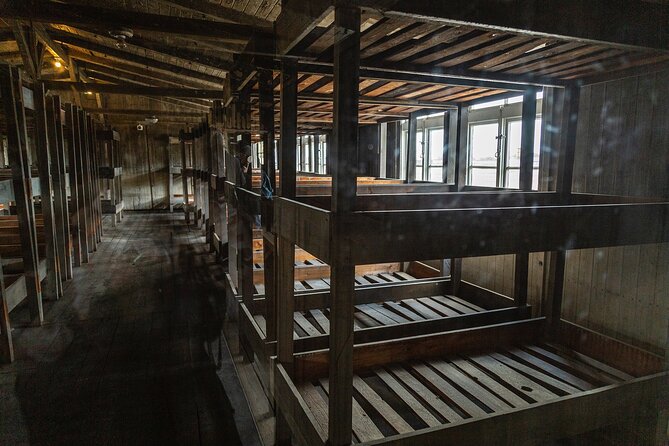
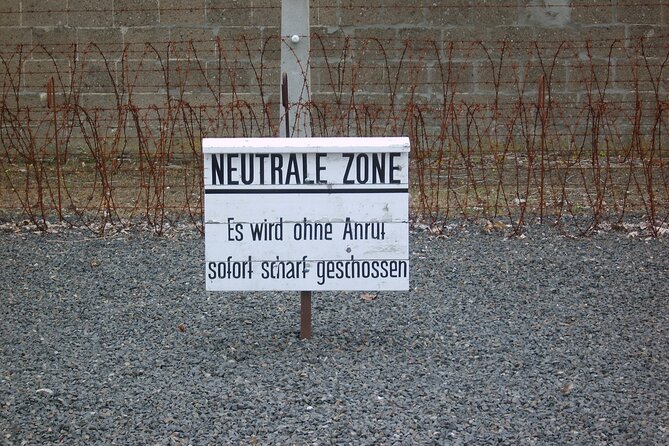
After about an hour on the road from Berlin, you reach the Sachsenhausen Memorial and Museum in Oranienburg. Admission is included, and the planned visit lasts about three hours.
This is the part of the day that requires the most emotional energy. The site concerns the lives and deaths of innocent people held in the former Nazi concentration camp. An audio guide lets you take in the material in your own language and move through the memorial with some personal space for reflection.
That format suits Sachsenhausen. A private guide can explain the larger setting, but the memorial itself deserves quiet attention. You should expect a disturbing visit, not a light sightseeing stop. The value lies in the chance to confront the facts carefully, rather than rushing through a brief photo opportunity.
The schedule gives you enough time for a meaningful visit, though three hours can still pass quickly at a site with so much to consider. Wear practical shoes and be ready for a long period of walking and standing. The tour description does not specify the exact route through the memorial, so your pace may depend on the audio guide and the day’s conditions.
Maciej’s approach is important here. He has been described as professional and educational, with time built in for reflection instead of constant commentary. That balance is one of the strongest reasons to choose a private tour for a site like this. You can ask questions in the car, then have space at the memorial itself.
The two-hour crossing into Szczecin
From Sachsenhausen, the drive to Szczecin takes about two hours. This is a major reason to book the private version rather than trying to combine the same sights by public transport in one day. Maciej handles the border crossing, timing, and return journey while you rest or continue the conversation.
The long drives also give you direct access to his knowledge of Germany and Poland. He is described as talkative and engaging, and he makes time for detailed questions about both countries. That can be especially useful on a route where the political borders changed meaning several times during the 20th century.
Still, be realistic about the pace. You will spend roughly four hours in the vehicle, plus about six hours among memorials, museums, sightseeing, and dinner. If you prefer slow mornings or long museum visits with no fixed schedule, this day may feel compressed. If you have only one free day and want to connect Berlin with Szczecin, the same intensity becomes the point.
Szczecin’s landmarks in a compact walk
The Szczecin portion begins with a short city walk lasting about three hours, including the planned museum time. The route takes in several of the city’s main sights:
- The National Philharmonic
- Solidarity Square
- Chrobry Embankment
- The Pomeranian Dukes Castle
- The castle’s famous clock tower
This is a useful introduction rather than a full city tour. You get a feel for Szczecin’s public spaces, architecture, and central landmarks before turning to the city’s recent political past.
I like the change of pace here. After the heavy focus at Sachsenhausen, a walk through the city gives you room to look up, notice buildings, and ask how the city developed after the war. Maciej points out details you could easily miss on your own, while keeping the visit relaxed.
Do not expect a long, unhurried examination of every landmark. The day has to fit in two museums, dinner, and the return to Berlin. The city walk works best if you see it as context and orientation, not as a complete Szczecin sightseeing program.
Depending on the day of the week, the schedule includes at least one of two major museums devoted to recent Polish history. The supplied timing lists both the Underground Routes and the Dialogue Centre Upheavals, but their opening days differ, so the exact museum plan needs attention when you book.
A few more Berlin tours worth weighing up
- Berlin: Private Reichstag and Glass Dome Tour
★ 4.8 · 2,226 reviews - Berlin Private Complete History All Day Walking Tour
★ 5.0 · 474 reviews - Private Walking Tour Berlin Third Reich Hitler and World War II
★ 5.0 · 360 reviews - Private Berlin: Iconic Sights and Hidden Gems Walking Tour
★ 5.0 · 292 reviews
Underground Routes and the civilian side of war
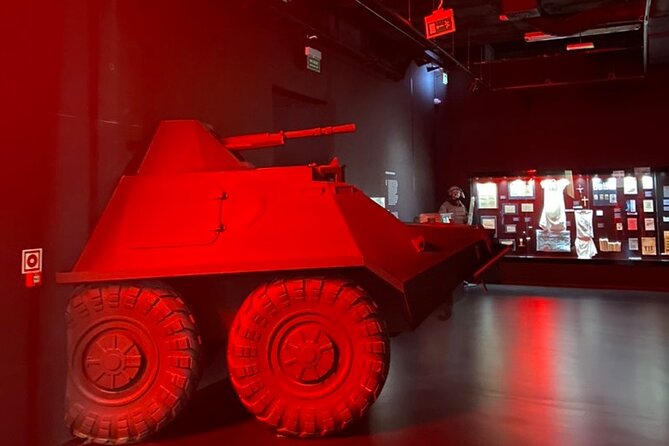
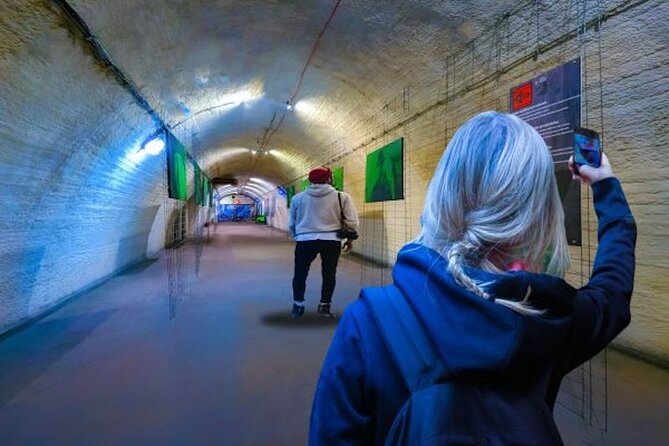
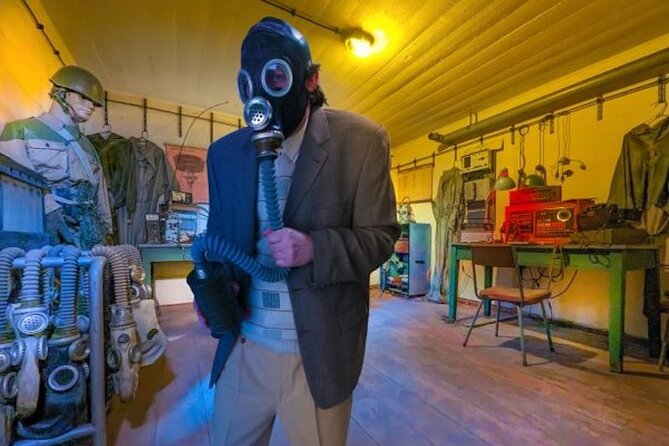
The Szczecin Underground Routes visit lasts about an hour, with admission included. You walk through tunnels and shelters that show how civilian life was organized during air raids and under the later threat of atomic war.
This adds an angle that concentration camp memorials cannot provide. Instead of focusing mainly on imprisonment and systematic persecution, the underground route looks at how civilians prepared, hid, moved, and tried to carry on while facing attacks and fear.
It also connects wartime experience with the early postwar period. The mention of atomic threat makes clear that the story does not stop when World War II ends. You begin to see how fear changed form, from air raids to the possibility of nuclear destruction.
The museum is closed Tuesdays and Wednesdays. That is not a minor footnote. If this stop is central to your plans, check the operating day before confirming the tour. The experience provider may adjust the itinerary, but the information supplied does not promise a specific replacement when this museum is unavailable.
The Dialogue Centre Upheavals and life behind the Iron Curtain
The other major museum is the National Museum in Szczecin’s Dialogue Centre Upheavals. Its modern exhibition covers the years after the war, life behind the Iron Curtain, and Poland’s eventual road to freedom.
This is a strong companion to Sachsenhausen because it shows what happened after Nazi Germany was defeated. You move from the crimes of one dictatorship to the political reality imposed across much of Eastern Europe after 1945. The exhibition helps place Szczecin within Poland’s long postwar struggle.
The museum visit lasts about an hour, with admission included. That is enough time for a focused visit, though you should not expect to absorb every display in detail. The exhibition’s subject matter is broad, so Maciej’s explanations and your own questions can help connect the pieces.
The Dialogue Centre is closed Mondays. Since the Underground Routes close on different days, scheduling matters. A Tuesday or Wednesday departure may affect the underground visit, while a Monday departure may affect the Dialogue Centre. Ask which museum or museums are planned for your date before you commit to the itinerary.
Polish dinner in Rynek Sienny
After the sightseeing, you sit down for an à la carte dinner in Rynek Sienny. Traditional Polish cuisine is included, and the meal takes about an hour.
This is more than a convenient food stop. It gives you a chance to experience a local restaurant and taste Polish cooking after spending the day discussing the country’s past. The timing is sensible: by this point, you will have been moving since early morning and will need a proper meal before the return drive.
The meal is described as excellent, with local dishes providing a welcome change from snacks in the vehicle. Since the dinner is à la carte, the exact dishes are not specified. If you have dietary restrictions, ask the provider before booking rather than assuming the restaurant can accommodate every request.
Dinner also creates a natural pause before the final two-hour drive. You leave Szczecin at about 6 p.m. and reach your accommodation in the Berlin region around 8 p.m. That timing makes the day long, but it avoids a late-night return.
What the private format adds
The listed price is $744.06 per person, which makes this a premium day trip. The value depends heavily on how much you want to see in a single day and how useful private transport is for your group.
Your price covers private transportation, pickup and return in the Berlin area, drinks and snacks during the drives, museum admissions listed in the program, and dinner. You are also paying for a private group rather than joining strangers, plus direct contact with Maciej throughout the day.
That package can make sense for a small group that wants to combine Sachsenhausen and Szczecin without arranging separate trains, local transport, museum tickets, and meals. The cross-border route would be much harder to coordinate independently in a single day, especially with museum opening days to consider.
The value is weaker if you only want Sachsenhausen, or if you already plan to spend several days in Szczecin. In those cases, a separate visit could give you more time and less road travel. At this price, the main purchase is convenience, historical framing, and access to a route that would otherwise take serious planning.
The tour is private, and only your group participates. That matters for a difficult subject. You can ask Maciej to clarify a point, slow down a conversation, or allow quiet time without worrying about a large group’s schedule.
Who should book this day?
I would recommend this experience to you if you have a strong interest in World War II and postwar European history, have only one day available, and want a guide to manage the border route. It suits couples, families with older children, and small groups who value private transport and personal discussion.
It is also a good fit if you want more than a single memorial visit. The combination of Sachsenhausen, Szczecin’s landmarks, underground shelters, and the Dialogue Centre creates a broader picture than a standard Berlin war-history outing.
I would hesitate to recommend it to anyone seeking a gentle vacation day. Sachsenhausen is emotionally difficult, and the schedule is demanding. You should also reconsider if you dislike long drives, need a flexible lunch break, or want several quiet hours in one museum.
The tour is offered in English, with an audio guide at Sachsenhausen in your language. Service animals are allowed, and most people can participate. Pickup is from accommodation in the Berlin area, and the experience is near public transportation, though the private vehicle is the main way you travel during the day.
Free cancellation is available if you cancel at least 24 hours before the start time. The experience requires good weather and a minimum number of participants, so a cancellation by the provider can lead to another date, another experience, or a full refund.
Should you book it?
Book this tour if you want a demanding but carefully organized day that connects Nazi Germany with Poland’s postwar story. Maciej’s personal attention, the included dinner, and the private door-to-door transport give the high price a practical purpose.
Skip it if your priority is a slow visit, a low-cost outing, or a full exploration of Szczecin. For the right group, though, this is an efficient way to handle a difficult subject with time for questions, reflection, and a taste of Poland before returning to Berlin.
FAQ
What time does the tour start?
Pickup begins at 8 a.m. from your hotel or accommodation in the Berlin area.
How long does the experience last?
The full tour lasts approximately 12 hours. You should expect to return to your accommodation in the Berlin region around 8 p.m.
Is transportation private?
Yes. Private transportation is included, and only your group participates in the activity.
Is dinner included?
Yes. Dinner is included and takes place in a local restaurant in Rynek Sienny, with traditional Polish cuisine served à la carte.
Are snacks and drinks provided?
Yes. Snacks and beverages are provided during transportation.
Is admission to Sachsenhausen included?
Yes. Admission to the Sachsenhausen Memorial and Museum is included, along with an audio-guided tour.
Are the Szczecin Underground Routes open every day?
No. The Szczecin Underground Routes Museum is closed on Tuesdays and Wednesdays.
What is the cancellation policy?
You can cancel at least 24 hours before the start time for a full refund. Cancellations or changes made less than 24 hours before the start time are not accepted for a refund.
Just added around Berlin
- Berlin Highlights in One Day★ 5.0 · 3 reviews
- Private Berlin One Day Tour with a Local: See the City Unscripted★ 3.5 · 3 reviews
- Individual city tour Berlin for max. 8 persons★ 5.0 · 3 reviews
- Transfer from Berlin Schönefeld Airport (SXF) to Berlin city Hotels – ROUND TRIP★ 4.0 · 3 reviews
- Berlin: Museum Island Tour★ 5.0 · 3 reviews
- Private Analogue Photography Experience in Berlin★ 5.0 · 3 reviews
- Berlin: Local Food Tour in Secrets Hidden Gems★ 4.0 · 3 reviews
- Berlin & The Third Reich Private Guided Tour★ 5.0 · 3 reviews
Third Reich & WWII Sites, compared.



Berlin’s Best: 2 Hour Walking Tour Third Reich and the Cold War
Read our review →
Third Reich Berlin: Hitler and WWII Walking Tour
Read our review →

Berlin Third Reich Sites: Half-Day Walking Tour
Read our review →
Guided Bike Tour of the Berlin Wall and Third Reich
Read our review →
Hitler’s Germany: Berlin During the Third Reich & WWII
Read our review →Browse the lists this tour appears in