
Review · KREUZBERG TOURS
Small-Group 3-Hour Berlin Walking Tour of Kreuzberg ‘s Wild Side
Kreuzberg’s wild side is not a polished postcard version of Berlin. It is a neighborhood shaped by working-class courtyards, immigrant communities, punk clubs, house projects, art spaces, and the old Berlin Wall. This three-hour walk takes you from Kottbusser Tor through the SO36 district to Oberbaumbrücke, with the streets themselves providing the main show.
I like the small group of up to 12 people, which should make it easier to hear the guide and ask questions. I also like the route’s mix of culture and history, from Club SO36 and Oranienstrasse to the former hospital at Bethanien and the famous treehouse beside the Wall. The main caution is that the tour depends on good coordination: one booking issue led to a 25-minute wait, and another scheduled walk was canceled after a public transport strike and low attendance.
In This Review
- Key points to know before you book
- Why this Kreuzberg walk is different from a standard Berlin tour
- Starting at Kottbusser Tor in the SO36 district
- Oranienstrasse and the story of SO36
- Courtyards that reveal how Berlin once housed its workers
- Rio-Reiser-Platz and the Frauenzentrum Schokoladenfabrik
- Mariannenplatz and Arthouse Bethanien
- St. Thomas Church and the Berlin Wall treehouse
- Market Hall Nine gives the walk a practical pause
- Görlitzer Park, Wiener Strasse, and the route toward the river
- What the $22.45 price really buys you
- Timing, group coordination, and what to bring
- Who should book this Kreuzberg tour?
- Should you book it?
- FAQ
- How long does the Kreuzberg walking tour last?
- Where does the tour begin?
- Where does the tour finish?
- How many people can join the tour?
- Is hotel pickup included?
- Is food included?
- What areas and sights are included?
- Is public transportation available near the tour?
- Do I receive a mobile ticket?
- Can I cancel for a full refund?
Key points to know before you book
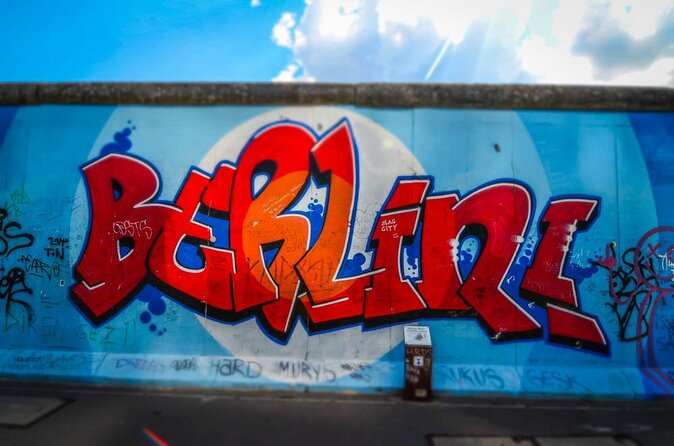
- Kreuzberg from Kottbusser Tor to Oberbaumbrücke: The route crosses a large part of the district rather than circling one square.
- SO36 and Oranienstrasse: You’ll see the center of Kreuzberg’s alternative music, art, food, and nightlife scene.
- A history lesson in ordinary streets: Courtyards, former squatted houses, churches, and Wall sites explain how the district changed.
- Small group format: The maximum is 12 people, a useful size for a walking tour with frequent stops.
- Market Hall Nine break: A pause at the market hall is included, but food and drinks cost extra.
- Good value at $22.45: For three hours with a local guide, the price is modest, especially if you want context beyond a self-guided stroll.
Why this Kreuzberg walk is different from a standard Berlin tour
Many Berlin walks focus on grand monuments, government buildings, and the events of the 20th century. This one takes a more local route. You spend time in places where history is written on apartment facades, in inner courtyards, on club walls, and in public spaces that once sat beside the Berlin Wall.
Kreuzberg began as one of Berlin’s poorer quarters. Its location near the former Wall left parts of the district cut off and neglected for decades. That isolation helped create room for alternative housing, political activism, immigrant businesses, music clubs, and art projects.
The neighborhood later became one of Berlin’s most sought-after areas. That change is part of the story, and the walk gives you a chance to consider both sides. You can appreciate Kreuzberg’s food, nightlife, and creative energy while also seeing how popularity and rising costs can alter a district.
The route is especially useful if you want more than a list of dates. You’ll hear how architecture, migration, music, fashion, and housing shaped the area. The guide is also there to connect small details, such as a courtyard entrance or a former squat, with the larger story of Berlin.
More Kreuzberg on foot and by bike:
- Kreuzberg: Culinary Food Tour
★ 4.5 · 770 reviews - Berlin: Kreuzberg Guided Walking Evening Tour
★ 4.7 · 555 reviews - Berlin: Alternative Bike Tour of Kreuzberg & Friedrichshain
★ 4.7 · 548 reviews
Starting at Kottbusser Tor in the SO36 district
The meeting point is Skalitzer Strasse 137, near Kottbusser Tor. This is one of Kreuzberg’s major multicultural crossroads, surrounded by cafes, bars, clubs, and restaurants. It is a fitting place to begin because the area gives you an immediate sense of Kreuzberg’s mix of languages, food traditions, and urban styles.
The first named stop is Club SO36, where the tour pauses for about 10 minutes. The club is closely tied to Kreuzberg’s alternative music culture and gives the guide a natural opening to discuss the district’s punk, art, and nightlife scene.
You should not expect a long indoor club visit. Admission is listed as free, but the experience is primarily a street-level stop and explanation. Its value comes from understanding why this part of Kreuzberg became associated with independent music and counterculture.
Kottbusser Tor can also be noisy and crowded. That makes it an interesting starting point, but it may take a few minutes for the group to gather and for the guide to make introductions. Arrive early enough to locate the meeting point without rushing.
Oranienstrasse and the story of SO36
From the starting area, the walk continues through the SO36 district, including Oranienstrasse. This street is described as the heart of the area, and it is where Kreuzberg’s food, nightlife, shops, and street life come together.
The important point is not simply seeing a popular street. The guide uses Oranienstrasse to explain how Kreuzberg changed from a poor quarter into one of Berlin’s most popular districts. You’ll also hear about developments in fashion, art, and music.
I like this part of the route because it links everyday city life to social history. A restaurant or bar may look ordinary on its own, but on this walk you get the story of the communities and movements that helped shape the district.
You’ll want comfortable shoes here. The tour lasts about three hours, and the route covers several neighborhoods and outdoor sites. The supplied information does not state the exact walking distance, so you should be prepared for a steady city walk rather than a short neighborhood loop.
Courtyards that reveal how Berlin once housed its workers
One of the quieter highlights is the chance to see typical Berlin courtyards. These inner spaces are easy to miss if you are walking alone, yet they help explain how dense urban housing developed in the 19th century.
The guide discusses their history and development, giving you a look at the built side of Kreuzberg beyond its cafes and clubs. Courtyards can show how apartment blocks were organized, how residents shared urban space, and why Berlin’s older districts feel so different from newer developments.
This is one reason a guide adds value. A self-guided walk can take you past an entrance without revealing what lies behind it or why the layout matters. Access to individual courtyards can vary, so the exact viewing experience may depend on the route and local conditions.
More walking tours in Berlin:
- Discover Berlin Half-Day Walking Tour
★ 5.0 · 9,624 reviews - Berlin: Third Reich and Cold War 2 Hour Walking Tour
★ 4.9 · 6,830 reviews - Berlin: Discover Berlin Walking Tour
★ 4.9 · 5,998 reviews - Berlin’s Best: 2 Hour Walking Tour Third Reich and the Cold War
★ 5.0 · 5,486 reviews
Rio-Reiser-Platz and the Frauenzentrum Schokoladenfabrik
The walk includes a stop at Rio-Reiser-Platz and the area around Heinrichplatz and the Frauenzentrum Schokoladenfabrik. The stop lasts about 10 minutes.
These names point to another side of Kreuzberg’s past: political action, community organization, music, and alternative cultural spaces. The tour uses the area to explain the role of former squatted houses and house projects in the district’s development.
A former squat was not simply an abandoned building waiting for renovation. In Kreuzberg, these projects became part of a wider struggle over housing, neighborhood control, and the right to create independent social spaces. The guide can help you see why those buildings matter even when their use has changed.
This is also a useful reminder that Kreuzberg is not only a nightlife district. Its identity grew from residents organizing around housing and social issues. The history can be complex, so listen for how the guide explains the shift from marginal neighborhood to fashionable address.
Mariannenplatz and Arthouse Bethanien
The route continues toward Mariannenplatz and Arthouse Bethanien. Bethanien occupies a historic hospital building beside the former Berlin Wall, giving the stop several layers of Berlin history in one place.
You’ll hear how an old medical building became connected with art and alternative culture. The setting also brings the Wall into the conversation. Kreuzberg was once right beside the border, and places that now feel central were once near a heavily guarded divide.
The tour does not present the Wall only as a monument. Instead, it shows how the border affected housing, movement, public space, and the identity of nearby neighborhoods. That makes this portion especially helpful if you have already visited major Wall memorials and want to understand the local effect of division.
The building and square are viewed as part of the walking route. No interior admission is listed, so do not book this expecting a formal museum visit at Bethanien.
St. Thomas Church and the Berlin Wall treehouse
Another distinctive part of the route is St. Thomas Protestant church and a treehouse built next to the Berlin Wall. These are very different landmarks, which is exactly what makes the walk work.
St. Thomas church adds an older religious and architectural layer to the route. The treehouse points to the improvised, political, and sometimes defiant character of Berlin’s former border zone.
The treehouse is the sort of place you could easily pass without knowing its significance. The guide’s role is to explain why it was built beside the Wall and how such small structures became part of Kreuzberg’s public memory.
These stops also keep the tour from becoming too focused on nightlife. You move between religious buildings, housing projects, art spaces, parks, and border history. That variety should suit you if you want a broad introduction to Kreuzberg rather than a tour devoted to clubs or restaurants alone.
Market Hall Nine gives the walk a practical pause
A break at Market Hall Nine is included. The pause gives you a chance to rest during the three-hour route and see one of the area’s food-focused meeting places.
Food and drinks are not included, so budget a little extra if you want to buy something. The information provided describes a farmer’s market setting, but it does not promise a particular vendor, tasting, or meal.
I see this break as useful rather than decorative. Three hours on foot can feel long, especially if you have just arrived in Berlin or are carrying luggage. A market stop gives you time to regroup, use the surrounding shops or cafes, and decide how much you want to eat.
Market schedules can affect what you find there. The tour includes the break, but the exact stalls and activity may vary by day. If food is a major reason for booking, treat it as a chance to explore rather than a guaranteed tasting session.
Görlitzer Park, Wiener Strasse, and the route toward the river
The walk includes Görlitzer Park, with a listed stop of about 15 minutes, as well as Wiener Strasse. The park offers a change from dense streets and gives the guide another setting for discussing Kreuzberg’s urban development.
The area around Görlitzer Park has a different feel from Oranienstrasse. You’ll see how former transport and industrial spaces, public parks, housing, and local commerce fit into the district’s story. The tour description promises much more along the way, so the three named stops are not the entire itinerary.
The park is also a place where conditions can change. It is a public urban space, not a controlled attraction, and the experience may depend on the day and time of the tour. Keep your belongings secure, stay with the group, and listen carefully when the guide gives directions.
From here, the route finishes at Oberbaumbrücke. The bridge is one of Berlin’s recognizable river crossings and provides a strong endpoint after the walk through Kreuzberg. The end point is in a different part of the city from the start, so plan your next trip from Oberbaumbrücke rather than expecting to return to Kottbusser Tor.
What the $22.45 price really buys you
At $22.45 per person, this is priced as an affordable introduction to Kreuzberg. You are paying for about three hours, a local guide, a small group, and a structured route through several parts of the district.
The value is strongest if you would otherwise wander without understanding what you are seeing. Club SO36, the courtyards, Bethanien, the treehouse, and former house projects all become more meaningful when someone explains their place in Kreuzberg’s story.
The price does not include food or drinks, hotel pickup, or drop-off. You will need to reach Skalitzer Strasse 137 on your own and arrange your own way onward from Oberbaumbrücke.
A maximum of 12 people is a good balance. It is small enough for personal questions and clear explanations, but not so private that the cost becomes high. If you prefer a private guide or a very slow photography walk, this may not be the right format.
Timing, group coordination, and what to bring
The tour is about three hours and operates as a small-group activity. It is near public transportation, and most people can take part, though the information does not give a detailed accessibility statement or a precise walking distance.
Wear comfortable shoes and dress for outdoor conditions. You will be walking between neighborhoods, parks, streets, and public sites, with only a short market break. Bring water and money for optional food or drinks.
The meeting point is specific, but allow extra time to find it. One scheduled group had to wait around 25 minutes for the guide, while another participant reported arriving for a tour that was canceled after a Berlin public transport strike and low attendance. The provider explained that its tours require a minimum number of bookings to operate.
That does not make cancellation or delay inevitable, but it is worth keeping in mind if you have a tight schedule. Avoid placing an important timed attraction immediately after the walk.
The tour uses a mobile ticket, and confirmation is sent at booking. Free cancellation is available up to 24 hours before the start time. If the minimum number is not reached and the provider cancels, you should be offered another date or experience, or a full refund.
Who should book this Kreuzberg tour?
I would choose this walk if you want to understand how Berlin’s alternative culture grew from housing, migration, music, art, and the city’s divided past. It works well as an early visit to Kreuzberg because it gives you a mental map for returning to the district on your own.
It is also a good match if you prefer local streets to major sights. You’ll see no grand museum collection or formal Wall exhibition. Instead, you get courtyards, club history, public squares, parks, community spaces, and buildings with changing roles.
You may want a different experience if your main goal is Berlin’s major historic monuments, if you have limited mobility, or if you need a tightly timed schedule. The tour is outdoors, covers a substantial area, and does not include transport back to the starting point.
Should you book it?
Book this tour if Kreuzberg’s social history, street culture, and alternative side appeal to you. The strongest features are the small group, low price, broad route, and mix of places that are easy to overlook without a guide.
Go in with realistic expectations. This is not a food tour, a museum tour, or a private walk. It is a practical introduction to a complicated neighborhood, with a few coordination risks and a route that may feel long if you want a relaxed stroll.
For $22.45, I think it is a sensible choice for curious first-time visitors who want context before exploring Kreuzberg on their own. Give yourself extra time around the start, keep your schedule flexible, and bring a little cash for the Market Hall Nine break.
FAQ
How long does the Kreuzberg walking tour last?
The tour lasts approximately three hours.
Where does the tour begin?
The meeting point is Skalitzer Strasse 137, 10999 Berlin, Germany.
Where does the tour finish?
The tour ends at Oberbaumbrücke, 10243 Berlin, Germany.
How many people can join the tour?
The group has a maximum of 12 people.
Is hotel pickup included?
No. Hotel pickup and drop-off are not included.
Is food included?
No. Food and drinks are not included, although a break at Market Hall Nine is part of the experience.
What areas and sights are included?
The route includes Kreuzberg’s SO36 district, Club SO36, Oranienstrasse, Rio-Reiser-Platz, Heinrichplatz, the Frauenzentrum Schokoladenfabrik area, Görlitzer Park, Wiener Strasse, Mariannenplatz, Arthouse Bethanien, St. Thomas Protestant church, the Berlin Wall treehouse, Market Hall Nine, and Oberbaumbrücke.
Is public transportation available near the tour?
Yes. The meeting area is near public transportation.
Do I receive a mobile ticket?
Yes. The experience uses a mobile ticket, and confirmation is provided at booking.
Can I cancel for a full refund?
Yes. You can cancel at least 24 hours before the experience start time for a full refund. If the minimum number of participants is not reached and the provider cancels, you should be offered another date or experience, or a full refund.
More 3-Hour Experiences in Berlin
- Berlin Highlights 3-Hour Bike Tour
★ 5.0 · 948 reviews - Berlin Highlights: 3-Hour Bike Tour
★ 4.9 · 809 reviews - Berlin: 3-Hour Street Art Tour
★ 4.7 · 778 reviews - Berlin: 3-Hour Secret Food Tour
★ 4.8 · 269 reviews
Just added around Berlin
- Berlin Highlights in One Day★ 5.0 · 3 reviews
- Private Berlin One Day Tour with a Local: See the City Unscripted★ 3.5 · 3 reviews
- Individual city tour Berlin for max. 8 persons★ 5.0 · 3 reviews
- Transfer from Berlin Schönefeld Airport (SXF) to Berlin city Hotels – ROUND TRIP★ 4.0 · 3 reviews
- Berlin: Museum Island Tour★ 5.0 · 3 reviews
- Private Analogue Photography Experience in Berlin★ 5.0 · 3 reviews
- Berlin: Local Food Tour in Secrets Hidden Gems★ 4.0 · 3 reviews
- Berlin & The Third Reich Private Guided Tour★ 5.0 · 3 reviews
Kreuzberg Tours, compared.


Alternative Bike Tour of Kreuzberg & Friedrichshain
Read our review →
Berlin Off-the-Beaten-Path Walking Tour: Kreuzberg, Mitte and Friedrichshain
Read our review →
Kreuzberg Berlin: Off the Beaten Track PRIVATE Walking Tour
Read our review →
Experience the Alternative Kreuzberg on a Bike Tour
Read our review →Browse the lists this tour appears in