
Review · DDR & EAST BERLIN TOURS
Stasi Museum GDR History Skip-the-line Private Tour Berlin
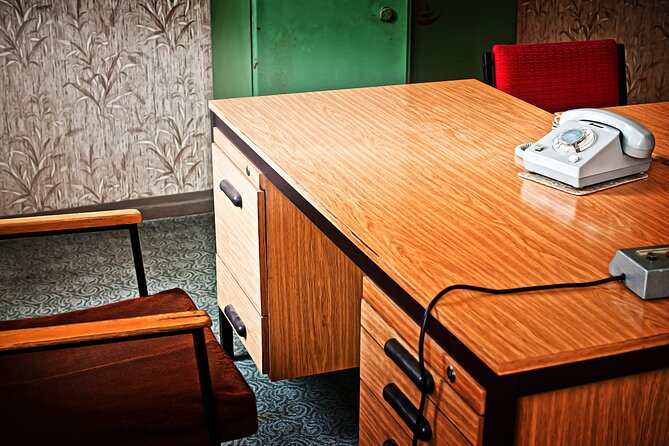
The most striking part of this experience is that you enter the original Stasi headquarters, not a modern museum built to recreate the past. Inside, you see the office of Stasi chief Erich Mielke, his famous red briefcase, and the tools used to watch East German citizens.
I like two things here: the private format, which gives you room to ask hard questions, and the included public transport tickets, which remove the hassle of reaching the museum outside central Berlin. The main consideration is the price, $258.59 per person, which makes this a better choice for serious history readers than for casual sightseers.
In This Review
- Key points at a glance
- Why the original headquarters matters
- Alexanderplatz and the road to Normannenstraße
- Two hours inside the Stasi Museum
- What the private format adds
- Stasi Museum or Hohenschönhausen?
- Who will get the most from this visit?
- Timing, meeting details, and value
- Should you book the Stasi Museum private tour?
- FAQ
- How long does the private Stasi Museum tour last?
- Where do I meet the guide?
- Are public transport tickets included?
- Is the tour private?
- Is the tour offered in English?
- Is this the same site as the Hohenschönhausen Memorial?
Key points at a glance
- Original Stasi headquarters: The museum occupies the former Ministry of State Security building in Normannenstraße.
- Private English-language visit: Only your group takes part, with time for questions and discussion.
- Personal East German perspective: Your guide may bring lived experience of growing up under Stasi rule.
- Alexanderplatz sets the scene: Begin where the largest demonstration in GDR history took place in 1989.
- Transport is included: Public transport tickets take you from central Berlin to the museum and back.
- Do not confuse the museums: This is the Stasi Museum, not the former Stasi prison at Berlin-Hohenschönhausen.
Why the original headquarters matters
Berlin offers several places connected with the former East German state, but they do different jobs. This tour takes you to the Stasi Museum in Normannenstraße, housed in the former headquarters of the Ministry of State Security.
That setting gives the visit unusual force. You are not simply looking at objects in a neutral exhibition hall. You are walking through the building where senior officials planned surveillance and where the agency helped control daily life in the German Democratic Republic.
The museum presents the Stasi as an operating institution. You see how the secret police gathered information, worked with informants, and used hidden technology to monitor people. The subject can sound abstract when explained only through dates and political terms. Original rooms and equipment make the system easier to understand.
I think the building is especially useful for anyone who knows little about East Germany. You do not need a university course in Cold War politics before arriving. The guide can connect the objects to ordinary life, state power, and the fear created by constant observation.
At the same time, this is not a light sightseeing stop. The subject involves political control, informants, spying, and the limits placed on personal freedom. If you prefer museums built around art, architecture, or cheerful local stories, this may feel demanding.
More East Berlin and DDR history:
- Berlin: DDR Museum Tickets
★ 4.3 · 3,443 reviews - Berlin: 75-minute Trabi Safari
★ 4.8 · 2,854 reviews - Berlin: East and West Hop-On Hop-Off Bus Tour
★ 4.2 · 2,195 reviews
Alexanderplatz and the road to Normannenstraße
Meet your guide in front of the Park Inn by Radisson Berlin Alexanderplatz, at Alexanderplatz 5-7. The meeting place is between Burger King and the T-Mobile store. Wait outside at the entrance. Do not go into the building, since the staff there are not informed about the tour.
The meeting point is more than a convenient landmark. Alexanderplatz was a major public square in East Berlin, and in 1989 it became the setting for the largest demonstration in the GDR’s history. That protest helped show how quickly public opposition to the East German government was growing before the Berlin Wall fell.
You begin with about 10 minutes here, followed by roughly 50 minutes for the journey and introductory part of the experience. The group then takes public transport to the museum. Tickets for the trip are included, and the guide travels with you.
I like this opening because it puts the museum in a wider political setting. You first stand in the center of the former East German capital, then move toward the headquarters of the agency that helped protect the government from opposition.
The ride also takes time. The museum is outside central Berlin, so this is not a quick walk from Alexanderplatz. The included tickets are useful, but you should arrive on time and expect the transport leg to form a meaningful part of the three-hour schedule.
A practical point matters here: the meeting time is tied to a reserved entry slot. Arriving late could affect the visit, so do not treat the Alexanderplatz meeting as a loose suggestion. Check the message sent by Rosotravel the day before for the final instructions.
Two hours inside the Stasi Museum
The main museum visit lasts about two hours. That is enough time for a guided look at the key rooms and objects, though the subject could easily support a longer visit.
The museum’s most important feature is its original setting. You visit the ministerial offices and the office of Erich Mielke, the Stasi minister. His red briefcase is displayed there, a small but memorable object connected to the handling of sensitive information.
The office helps put a face on a large bureaucracy. It is one thing to hear about the Ministry of State Security as a state institution. It is another to stand in the room associated with the official who directed it.
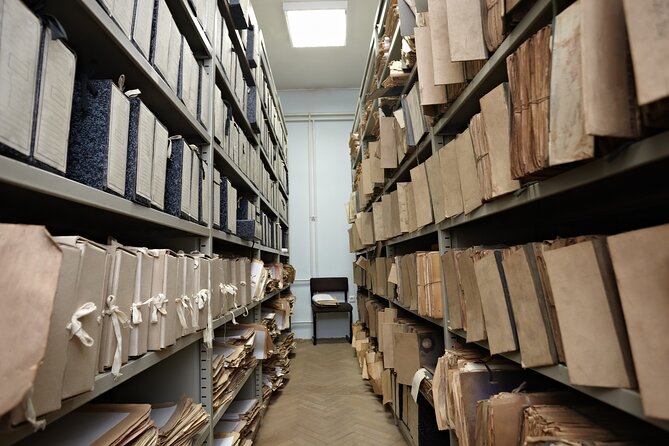
You will also see examples of the technology used for surveillance, including bugs and hidden cameras. These objects are interesting because they show how spying worked in practical terms. The tools are not science fiction. They are physical devices, fitted into everyday settings and used to watch people without their knowledge.
The guide explains how informants were recruited and how citizens were monitored and controlled. This is where a private tour has a real advantage. You can stop to ask how the system affected families, workplaces, friendships, or people who were suspected of opposing the government.
One especially valuable feature is the chance to hear a personal East German viewpoint. A guide who grew up in the East and lived under Stasi rule can explain the difference between reading about surveillance and living with its presence. That first-hand angle was the most highly praised part of the experience, and it is a strong reason to choose a private visit rather than simply walking through the museum alone.
Still, you should keep expectations realistic. The tour details do not guarantee that every guide had the same personal background, and no specific guide name is provided. The quality of the visit will depend partly on how well your guide connects the displays to your questions.
What the private format adds
A private tour means only your own group participates. That changes the rhythm of the visit. You are not following a large crowd or waiting for strangers to finish asking questions.
If you are traveling as a couple, family, or small group, you can shape the conversation around your interests. Someone focused on surveillance technology can ask about the cameras and bugs. Someone interested in the fall of communism can spend more time on Alexanderplatz and the 1989 protests.
The format is also helpful for difficult subjects. The Stasi system raises questions about cooperation, pressure, fear, and personal responsibility. A guide can explain the basic structure, then respond to the parts that puzzle you instead of delivering a fixed speech to a large audience.
The tour is offered in English. Since the museum includes political and social terms that may not be familiar, a guide can help keep the story clear. The published rating is 4.8 from five ratings, and the most positive response focused on how much better the experience was with a guide and how informative the visit felt.
There is one tradeoff. Private tours cost more than entering a museum on your own. At $258.59 per person, the value depends on how much you want interpretation and conversation. For a group that already knows the subject, the price may feel high. For a first visit to Berlin focused on the GDR, the transport, reserved entry, and personal guidance make the cost easier to justify.
Group discounts are available, so the price may work better for a larger private party than for one or two people. Check the current booking terms for the exact discount before deciding.
More history walks in Berlin:
- Berlin: Natural History Museum Entrance Ticket
★ 4.6 · 3,382 reviews - Berlin: World Heritage Cruise to Potsdam
★ 4.5 · 1,435 reviews - Berlin Historical Highlights Walking Tour
★ 4.9 · 657 reviews - Berlin Private Complete History All Day Walking Tour
★ 5.0 · 474 reviews
Stasi Museum or Hohenschönhausen?
This distinction is important. The Stasi Museum in Normannenstraße is located in the former headquarters of the Ministry of State Security. It focuses on the agency, its officials, offices, methods, and surveillance equipment.
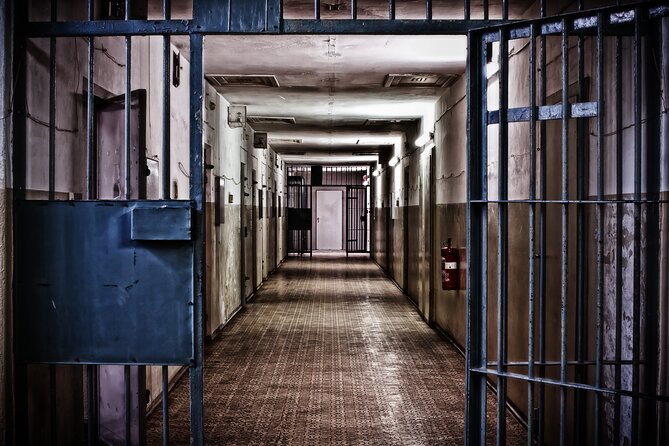
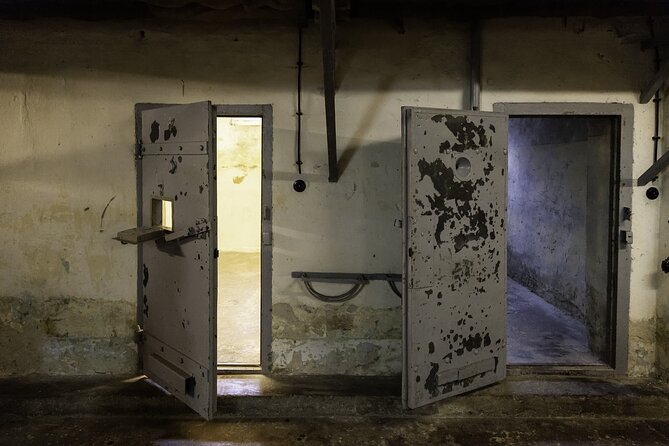
The Berlin-Hohenschönhausen Memorial is the former Stasi prison. It is a different site with a different emphasis. A visit there centers on detention and imprisonment, while the Normannenstraße museum explains how the wider Stasi organization operated.
If you want to see the office of Erich Mielke and original spying technology, this is the correct tour. If your main interest is prison cells and the experience of political prisoners, you need to book the Hohenschönhausen site instead.
Do not assume that one admission covers both places. This experience includes the Stasi Museum only.
Who will get the most from this visit?
I would recommend this tour most strongly to people who want context, not just photographs. It suits anyone interested in communism, Cold War Berlin, the Berlin Wall era, or the mechanics of a secret police system.
It also works well for visitors who have limited time but want a guided introduction. The three-hour schedule includes the meeting, transport, and museum visit, so you can fit it into a day of central Berlin sightseeing.
Families with older children or teenagers may find the subject useful, especially if they are studying modern European history. The private format lets you ask questions at a level that suits your group. The museum’s serious subject matter may not suit very young children, but the supplied information says most people can participate.
I would choose this experience over a self-guided visit if you are unfamiliar with East Germany or want a personal account of life under the Stasi. I would choose a self-guided visit instead if you prefer to read every display at your own speed and do not need transport assistance.
The visit is also a good match for anyone who likes museums with original rooms and objects. You see working offices and actual surveillance devices rather than only photographs or later reconstructions.
Timing, meeting details, and value

Plan on about three hours from start to finish. The museum portion takes two hours, while the opening at Alexanderplatz and public transport account for the rest.
The activity begins and ends at the same Alexanderplatz meeting point. That is convenient if you want to continue sightseeing in central Berlin afterward, but it means you should not plan a tight appointment immediately after the tour. Public transport times can vary, and the schedule needs to protect the reserved museum entry.
The skip-the-line element is useful because you have a reserved time slot. It does not mean you can arrive whenever you like. Be at the meeting point on time, outside the Park Inn entrance, and follow the operator’s day-before instructions.
At $258.59 per person, this is a premium experience. You are paying for a private guide, English-language interpretation, museum admission, round-trip public transport, and a set schedule. The price is hardest to justify if you only want to peek into the museum. It is easier to justify if you value a personal explanation of the Stasi system and want to avoid handling the route and entry arrangements yourself.
Free cancellation is available if you cancel at least 24 hours before the start time. Changes or cancellations made inside that window are not accepted for a refund, and the cut-off uses Berlin local time.
Should you book the Stasi Museum private tour?
Book it if the former East Germany is a main reason you came to Berlin, or if you want a clear introduction to how the Stasi watched and controlled citizens. The original headquarters, Mielke’s office, hidden cameras, and included transport give the visit a useful structure.
I especially recommend it for people who want to ask questions and hear a human account of life under Stasi rule. The private format and personal perspective can turn a difficult subject into a more understandable one.
Skip it if your Berlin plans are already packed with museums, or if $258.59 per person feels out of proportion to a three-hour activity. You can also skip it if your priority is the former Stasi prison, since this tour does not go to Hohenschönhausen.
For the right audience, this is a serious, well-focused way to understand East Berlin beyond the Wall and Cold War headlines. Arrive on time, confirm the meeting details the day before, and treat the transport ride as part of the story rather than dead time.
FAQ

How long does the private Stasi Museum tour last?
The experience lasts approximately three hours. About two hours are spent inside the Stasi Museum, with additional time at Alexanderplatz and for public transport to and from the museum.
Where do I meet the guide?
Meet the guide in front of the Park Inn by Radisson Berlin Alexanderplatz at Alexanderplatz 5-7, between Burger King and the T-Mobile store. Wait outside at the entrance and do not enter the building.
Are public transport tickets included?
Yes. Two-way public transport tickets to and from the Stasi Museum are included because the museum is outside central Berlin.
Is the tour private?
Yes. Only your group participates in the activity.
Is the tour offered in English?
Yes. The experience is offered in English.
Is this the same site as the Hohenschönhausen Memorial?
No. This tour visits the Stasi Museum in the former Ministry of State Security headquarters. The Hohenschönhausen Memorial is the former Stasi prison and is a different museum.
More Skip the Line in Berlin
- Berlin: Panoramapunkt Skip-the-Line Elevator Ticket
★ 4.4 · 1,219 reviews - Skip-the-line Charlottenburg Palace Private Tour & Transfers
★ 5.0 · 6 reviews - Skip-the-line Berlin Cathedral and Old Town Private Tour
★ 4.7 · 4 reviews
More Museums in Berlin
- Berlin: Jewish Museum Berlin Entrance Ticket
★ 4.5 · 8,393 reviews - Berlin: Neues Museum Entry Ticket
★ 4.6 · 3,261 reviews - Skip-the-Line: Berlin Wall Museum at Checkpoint Charlie
★ 4.1 · 2,041 reviews - Berlin: Museum Island Multiple Museum Entry Ticket
★ 4.4 · 2,007 reviews
Just added around Berlin
- Berlin Highlights in One Day★ 5.0 · 3 reviews
- Private Berlin One Day Tour with a Local: See the City Unscripted★ 3.5 · 3 reviews
- Individual city tour Berlin for max. 8 persons★ 5.0 · 3 reviews
- Transfer from Berlin Schönefeld Airport (SXF) to Berlin city Hotels – ROUND TRIP★ 4.0 · 3 reviews
- Berlin: Museum Island Tour★ 5.0 · 3 reviews
- Private Analogue Photography Experience in Berlin★ 5.0 · 3 reviews
- Berlin: Local Food Tour in Secrets Hidden Gems★ 4.0 · 3 reviews
- Berlin & The Third Reich Private Guided Tour★ 5.0 · 3 reviews
DDR & East Berlin Tours, compared.






East Berlin and the Berlin Wall 2-Hour Walking Tour
Read our review →
East Berlin Food & History Tour with Eating Europe
Read our review →Browse the lists this tour appears in