
Review · WALKING TOURS
Berlin: Gay Berlin Out in Schöneberg Walking Tour
Berlin’s queer story is written into the streets around Nollendorfplatz. On this 2.5-hour walk, you move from the openly gay club culture of the interwar years to Nazi persecution, postwar silence, and the return of a public LGBTQIA+ scene in West Berlin from the late 1960s onward. The buildings remain, but many of the old clubs do not, making a guide essential.
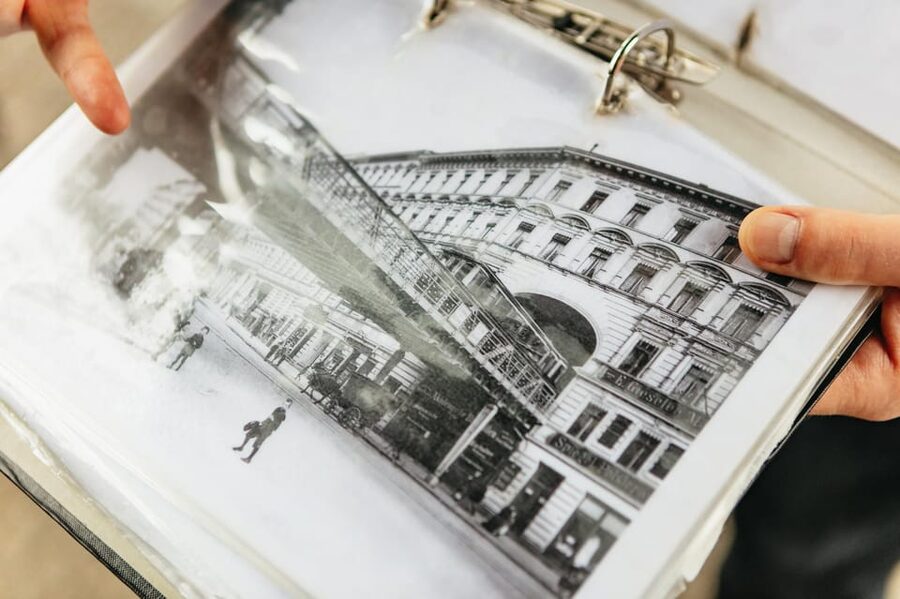
I like the tour’s focus on real addresses rather than general discussion. I also like the use of archive photographs and text, which help you picture places such as El Dorado and Nationalhof as they once were. The main consideration is weather: this is a full outdoor walk, and Berlin rain, cold, or snow can make the experience less comfortable, even though the guide has built in comfort stops and may adjust the pace.
In This Review
- Key points to know before you book
- Starting around Nollendorfplatz
- Nationalhof and the first public gay rights movement
- Motzstraße and the lost world of El Dorado
- Christopher Isherwood’s Nollendorfstraße
- From Nazi repression to West Berlin’s revival
- Schwerin Straße and the lesbian quarter
- Eisenacher Straße and Schöneberg today
- Tobias’s guiding style
- Is $23 a fair price?
- Who should take this walk?
- Should you book the Gay Berlin Out in Schöneberg walk?
- FAQ
- How long does the Gay Berlin Out in Schöneberg tour last?
- How much does the tour cost?
- Which languages are available?
- Who guides the tour?
- What is included in the price?
- Are food and drinks included?
- Is the tour wheelchair accessible?
- Can I cancel the tour for a refund?
Key points to know before you book
- Nationalhof and the 1920s rights movement: Visit a former meeting place at the center of Schöneberg’s early gay community.
- El Dorado on Motzstraße: See the site of a famous cabaret club and learn about the nightlife that drew people to the district.
- Christopher Isherwood’s Berlin: Stop outside the novelist’s former home on Nollendorfstraße.
- A story that reaches beyond gay male history: The route includes lesbian, trans, intersex, and gender nonconforming people and communities.
- Tobias as guide: His warm delivery, archive materials, humor, and personal connection to Berlin’s LGBTQIA+ community give the walk a human scale.
- Useful value at $23: For two and a half hours of guided history in a central Berlin neighborhood, the price is modest, especially if you want context that sightseeing alone will not provide.
Starting around Nollendorfplatz
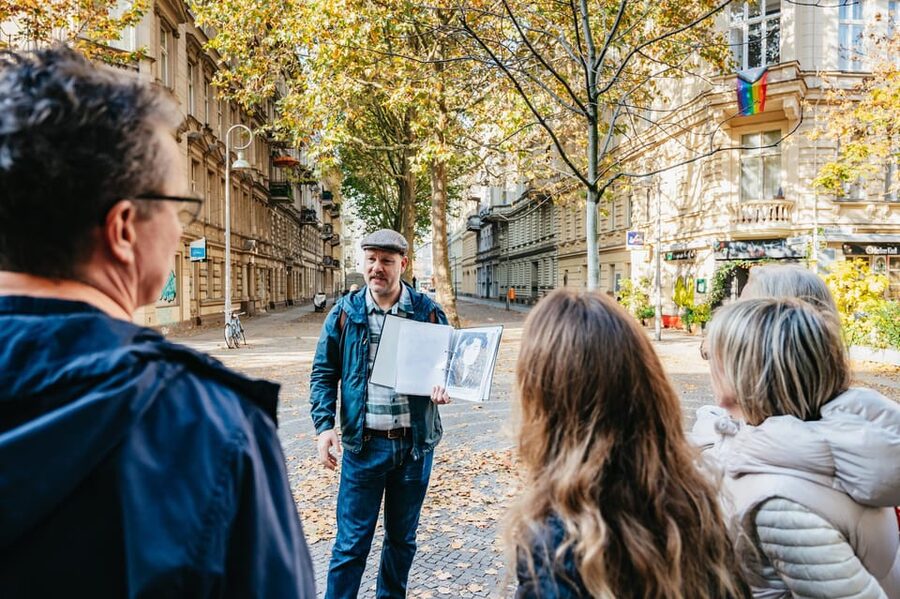
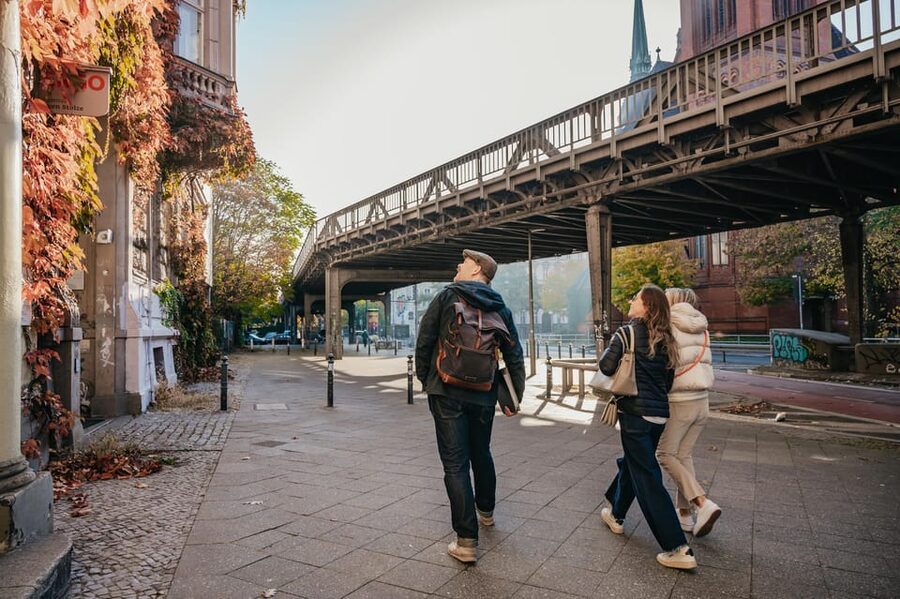
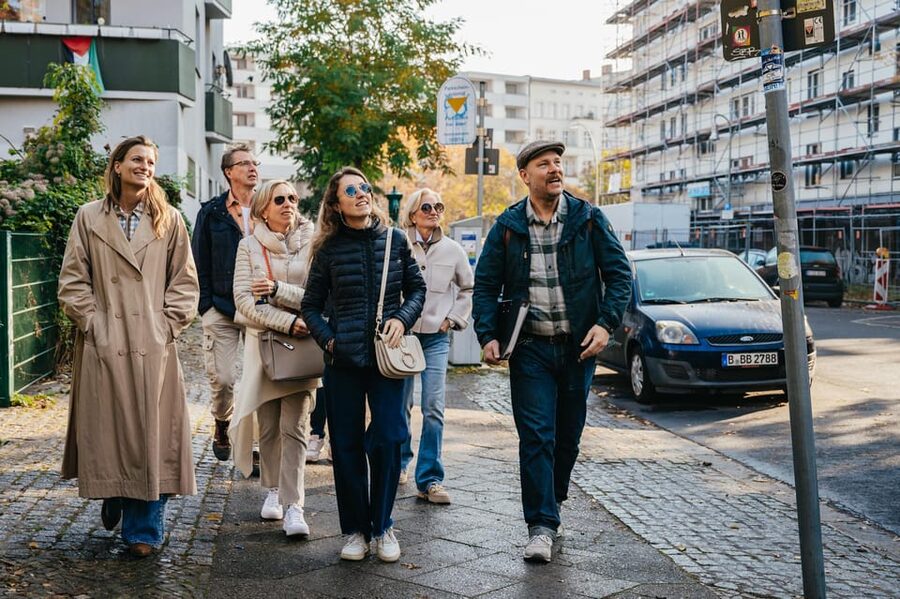
The tour explores the streets around Nollendorfplatz, the heart of Schöneberg’s queer district. You do not simply receive a list of bars and former clubs. The guide connects the streets, buildings, people, and political changes that shaped this part of Berlin.
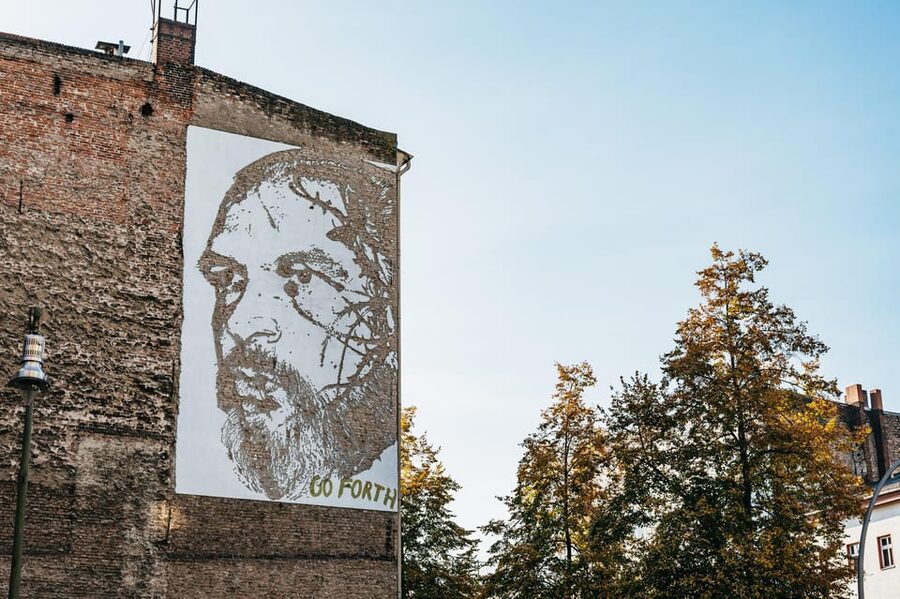
That setting matters. Schöneberg is not an isolated museum quarter. It is a functioning city neighborhood, with shops, cafes, street art, and LGBTQIA+ venues alongside ordinary Berlin life. As you walk, you can compare the district’s current identity with the earlier periods described by the guide.
Meeting points can vary depending on the option you choose, so check your booking details carefully. Special meeting points, times, and dates can also be arranged for private groups by telephone. The tour is offered in English or German and is wheelchair accessible.
More walking tours in Berlin:
- Discover Berlin Half-Day Walking Tour
★ 5.0 · 9,624 reviews - Berlin: Third Reich and Cold War 2 Hour Walking Tour
★ 4.9 · 6,830 reviews - Berlin: Discover Berlin Walking Tour
★ 4.9 · 5,998 reviews
Nationalhof and the first public gay rights movement
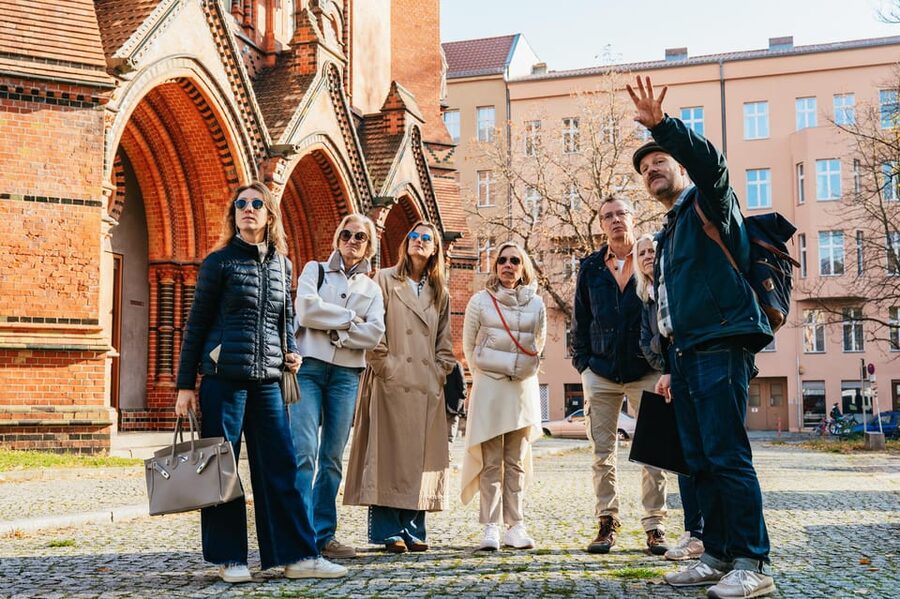
One of the most important stops is the former location of the Nationalhof. The site is presented as a central meeting place for Berlin’s gay community and a key address in the gay rights movement of the 1920s.
This is where the tour gains its strongest historical purpose. Berlin’s interwar gay life was not only about nightlife. It also involved organized communities, public debate, and people working to change laws and social attitudes. The guide explains how the area flourished between the end of World War I and the Nazi Party’s rise in the early 1930s.
You will also hear about the former Hollandais club and the Kleist Casino. These addresses help show how many different kinds of places supported the local community. Some were clubs, some were meeting points, and some were part of a wider social world that made it possible for LGBTQIA+ people to find one another.
The drawback is that you should not expect grand preserved interiors at every stop. Many locations survive only as street addresses or traces within the present-day neighborhood. That can feel less dramatic than entering a preserved historic building, but it also makes the guide’s photographs and storytelling especially useful.
Motzstraße and the lost world of El Dorado
Motzstraße brings the social side of the story into sharper view. Here, you visit the former site of El Dorado, an iconic cabaret club associated with Berlin’s gay nightlife.
The stop is valuable because it helps you picture the energy of the district before the Nazis came to power. Rather than treating the past as a simple parade of famous names, the walk shows how clubs and cabarets created places for self-expression and community.
El Dorado is also a reminder of how fragile that freedom was. The tour places the club within the broader rise and collapse of interwar gay Berlin. The story is lively, but it is not softened. The same streets that once offered room for public queer life later became part of a city shaped by repression and persecution.
Tobias is particularly well suited to this kind of material. His delivery combines humor with care, and he uses visual material to give faces and settings to the people he discusses. That balance matters. A tour about LGBTQIA+ history can easily become either too solemn or too superficial. Here, the aim is to keep the people at the center of the story.
Christopher Isherwood’s Nollendorfstraße
The stop at Christopher Isherwood’s former home on Nollendorfstraße adds a literary thread. Isherwood’s Berlin writing later became important to the Gay Liberation movement, so his connection to the neighborhood reaches beyond one author’s biography.
You do not need to be an Isherwood specialist to enjoy this part. The address offers a clear way to connect literature with place. A street where a writer lived becomes part of the story of how Berlin was remembered, represented, and later reclaimed by LGBTQIA+ readers and activists.
The guide also introduces key people who helped shape the district. The strongest parts of the walk are not just lists of names. Tobias explains why those people mattered and how their lives fit into the changing social world around Schöneberg.
If you enjoy books, theater, cabaret, or urban history, this section may be a particular highlight. If you want only present-day nightlife recommendations, it may feel more academic. This is a history walk first, not a bar crawl.
A few more Berlin tours worth weighing up
- Berlin’s Gay, Lesbian, and Queer Scene Small-Group Walking Tour
★ 4.5 · 66 reviews - Street Art & Berlin Gay, Queer, Trans History + Free Gay Map
★ 4.9 · 15 reviews - Queer Berlin Tour: Birthplace of LGBTQ+ Movements
★ 5.0 · 6 reviews - Berlin: BKA Theater “Operetta for two gay tenors”
★ 4.0 · 4 reviews
From Nazi repression to West Berlin’s revival
A good tour of queer Berlin must deal with rupture. The interwar years were followed by the accession of the Nazi Party and the destruction of the open gay scene described earlier in the walk.
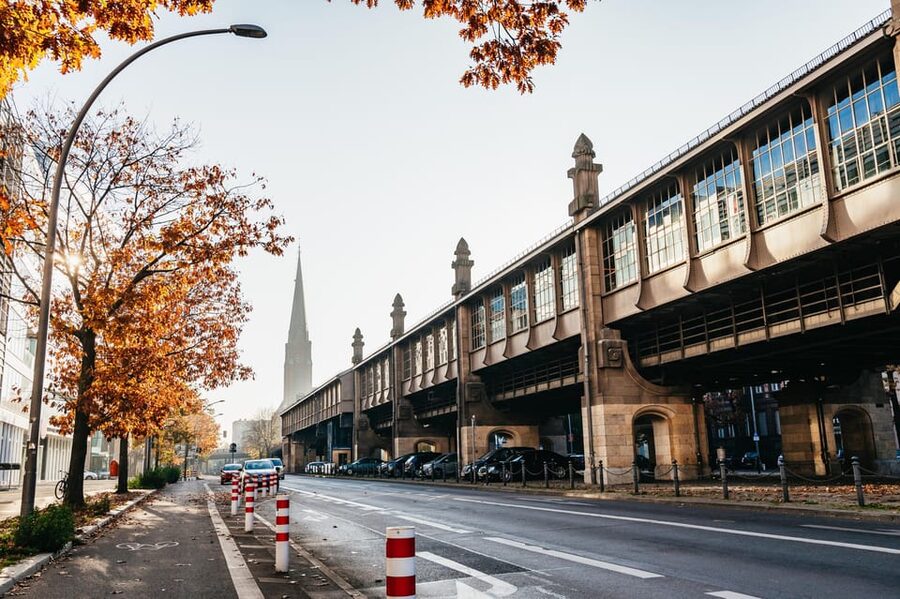
The tour then moves forward to the resurgence of Schöneberg from the end of the 1960s. This later period shows that the neighborhood’s story did not end with the loss of its earlier clubs. West Berlin developed a renewed gay district, and the surrounding streets again became places where LGBTQIA+ people could meet, organize, socialize, and live more openly.
That time span gives the tour its shape. You are not studying one frozen historical period. You are following change across several generations, from early rights campaigns to a later community rebuilding itself.
The transition from the 1920s to the post-1960s period also helps you notice what has changed and what remains. The neighborhood today may look ordinary in parts, but the guide shows how public identity can gather around particular streets and addresses over time.
Schwerin Straße and the lesbian quarter
The walk includes Schwerin Straße, described as the lesbian quarter of the area. This is an important addition because queer history is often presented mainly through gay men, famous cabarets, and male writers.
Here, the route broadens its focus. You hear about lesbian life and the places that supported it, alongside stories involving trans, intersex, and gender nonconforming people. That wider view makes the tour more useful for anyone who wants LGBTQIA+ history rather than a narrowly defined account of gay nightlife.
The guide’s archive images and written material help with this section. Street signs alone cannot explain who used a neighborhood or how people found community. The visual aids give you more to look at during stops and make the past easier to connect with the streets in front of you.
Eisenacher Straße and Schöneberg today
Eisenacher Straße provides a look at the district as it exists now. The street still reflects the varied life of Schöneberg’s LGBTQIA+ community, so the tour does not finish with a purely historical conclusion.
You may notice cafes, shops, street art, and other everyday signs of local life. The guide places these current details beside the older stories, helping you see the area as a living neighborhood rather than a memorial to vanished clubs.
That present-day element is one of the walk’s practical strengths. You finish with a better sense of where you are in Berlin and how the district functions now. A stop at a nearby queer cafe or bookshop can make a natural follow-up, though food and drinks are not included in the tour.
One minor point to keep in mind: the final cafe recommendation is separate from the tour itself, so service and atmosphere there are outside the guide’s control. Treat it as an optional place to continue the conversation, not as part of the paid experience.
Tobias’s guiding style
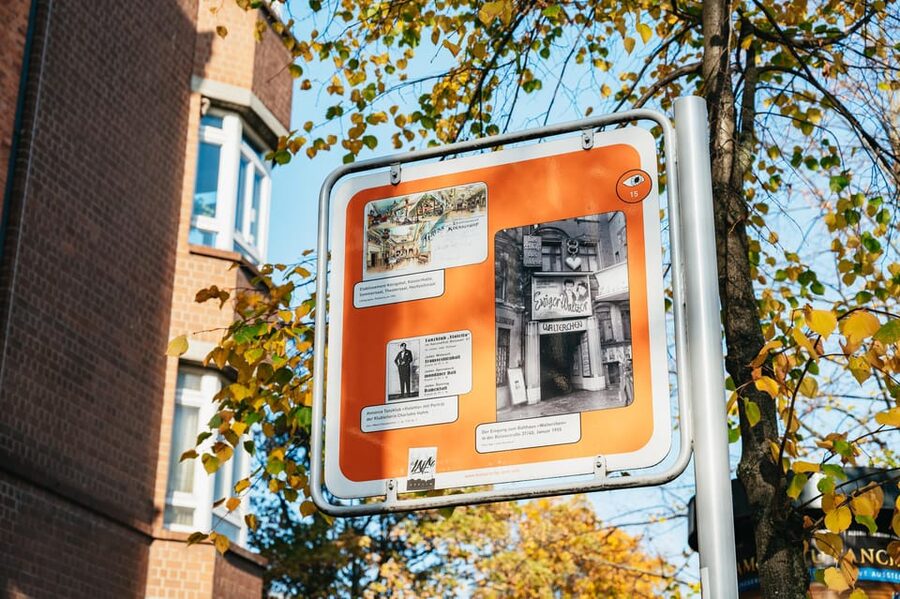
The guide can make or break a walking tour, and Tobias receives especially strong praise for his approach. He is described as funny, friendly, patient, and deeply prepared. His English is fluent, and he is happy to answer questions as you walk.
His personal connection to the subject adds warmth without replacing research. He brings in personal anecdotes, including stories about himself and his husband, while keeping the main focus on the people and events of Berlin’s LGBTQIA+ past.
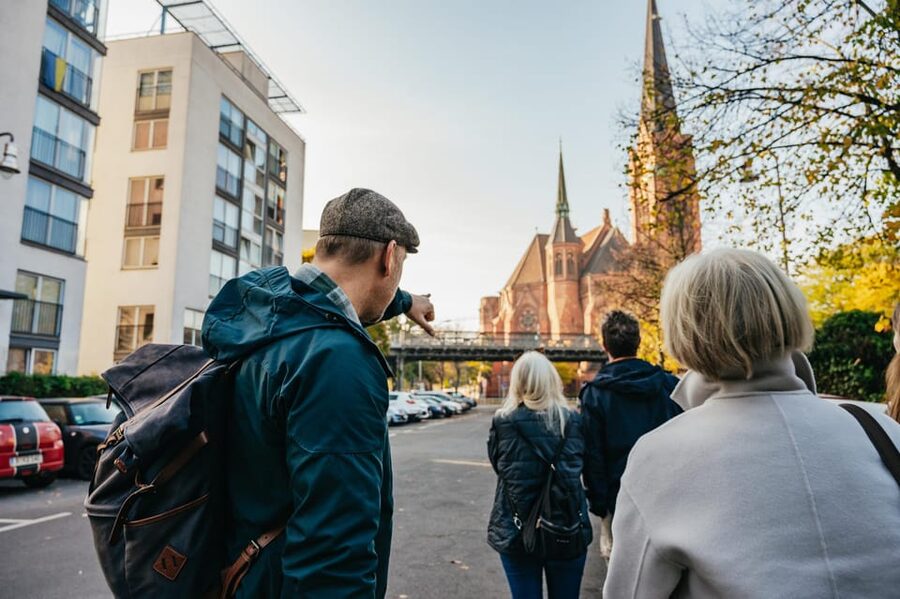
The archive images are a useful tool. You can see how streets, buildings, and people looked in earlier decades, then compare those images with the present scene. Tobias also uses architecture and street art as part of the explanation, so the walk is not just a series of talks at random corners.
The pace appears flexible. Comfort stops are included during the walk, and Tobias has adjusted the experience for delayed transport and severe weather. One cold-weather tour continued in freezing snow, with an offer of tea to help the group keep warm. That does not make winter ideal, but it suggests a considerate approach.
A small number of people have found the ending less satisfying, either because they wanted more time for final questions or because the recommended cafe did not provide good service. If you have several questions, ask them before the tour officially ends.
Is $23 a fair price?
At $23 per person, this is a strong value for a 2.5-hour guided walk. You are paying for a specialist subject, an experienced guide, visual material, and a carefully planned route through one of Berlin’s most significant LGBTQIA+ neighborhoods.
The price is especially reasonable if this is your first visit to Schöneberg. You could walk along Motzstraße, Nollendorfstraße, Schwerin Straße, and Eisenacher Straße alone, but you would miss much of the meaning behind the former clubs, homes, and meeting places.
The cost does not include food or drinks, and there is no promise of entry to a club or museum. That is worth understanding before booking. The value comes from interpretation and access to local knowledge, not from included refreshments or admissions.
Free cancellation up to 24 hours before the start gives you some flexibility, and you can reserve now and pay later. Starting times should be checked for your chosen date.
Who should take this walk?
I would recommend it most strongly to you if you have an interest in:
- LGBTQIA+ history and civil rights
- Berlin between World War I and the Nazi period
- Cabaret, literature, and urban culture
- Lesbian, trans, intersex, and gender nonconforming history
- Present-day queer neighborhoods
- Guided walks that mix facts with personal storytelling
You do not need prior knowledge of Berlin’s gay history. The tour works well as a first introduction, and the range of dates gives you a useful framework for further reading or independent sightseeing.
It is also a good choice for local residents who know Berlin’s major sights but have spent little time in Schöneberg. Several people who already lived in Germany found that the walk changed how they understood the neighborhood.
I would choose a mild, dry day if possible. The tour is wheelchair accessible, but the activity remains a walking experience over 2.5 hours, so check the specific meeting point and route details when booking if you have mobility concerns.
Should you book the Gay Berlin Out in Schöneberg walk?
Book it if you want Berlin history told through streets, people, and community life rather than through monuments alone. The strongest reasons are the Nationalhof and El Dorado sites, the Isherwood connection, the attention to lesbian and broader LGBTQIA+ history, and Tobias’s engaging use of archive material.
Skip it only if you are looking for a nightlife outing, a short photo stop, or a tour with preserved interiors and included refreshments. This is a serious history walk with humor, not an entertainment package.
For $23, it offers a thoughtful way to understand why Schöneberg matters. Bring comfortable shoes, dress for the weather, and leave room for questions at the end. If you want a more personal view of Berlin’s queer past and present, this is a smart booking.
FAQ
How long does the Gay Berlin Out in Schöneberg tour last?
The walking tour lasts 2.5 hours.
How much does the tour cost?
The listed price is $23 per person.
Which languages are available?
The tour is offered in German and English.
Who guides the tour?
Tobias is the guide identified with this experience. His tours include historical explanation, personal anecdotes, humor, archive photographs, and written visual material.
What is included in the price?
A walking tour and a guide are included.
Are food and drinks included?
No. Food and drinks are not included.
Is the tour wheelchair accessible?
Yes, the activity is listed as wheelchair accessible.
Can I cancel the tour for a refund?
Yes. You can cancel up to 24 hours in advance for a full refund. You can also reserve now and pay later.
Just added around Berlin
- Berlin Highlights in One Day★ 5.0 · 3 reviews
- Transfer from Berlin Schönefeld Airport (SXF) to Berlin city Hotels – ROUND TRIP★ 4.0 · 3 reviews
- Private Berlin One Day Tour with a Local: See the City Unscripted★ 3.5 · 3 reviews
- Individual city tour Berlin for max. 8 persons★ 5.0 · 3 reviews
- Berlin: Museum Island Tour★ 5.0 · 3 reviews
- Private Analogue Photography Experience in Berlin★ 5.0 · 3 reviews
- Berlin: Local Food Tour in Secrets Hidden Gems★ 4.0 · 3 reviews
- Berlin & The Third Reich Private Guided Tour★ 5.0 · 3 reviews
Walking Tours, compared.



Berlin’s Best: 2 Hour Walking Tour Third Reich and the Cold War
Read our review →

Third Reich Berlin: Hitler and WWII Walking Tour
Read our review →

Browse the lists this tour appears in