
Review · JEWISH BERLIN & HOLOCAUST MEMORIALS
Berlin: Historic Jewish walking tour through the city center
Berlin’s former Jewish tailoring district tells a sharp, often missed story: political extremism did not only destroy lives, it wiped out an entire economic world. This one-hour walk follows that change through Berlin’s Prussian era, the glamour of the 1920s, the years before the Wall fell, and the city today.
I like the focus on the Konfektion industry, once a major economic force in central Berlin, and I like that the route stays compact, with three central stops rather than trying to swallow the whole city. The possible drawback is the short running time. You will get a strong introduction, but not a slow, museum-style treatment of every site.
In This Review
- Key points
- Why Berlin’s tailoring story matters
- Starting at Hausvogteiplatz
- The Konfektion industry and Berlin’s former economic power
- Werderscher Markt after the opening story
- Jägerstraße and the final look at change
- The personal guide makes the difference
- What the one-hour timing means
- Price, booking, and practical value
- Who will get the most from this walk
- A few sensible tips before you go
- Should you book the historic Jewish walking tour?
- FAQ
- Where does the tour start?
- How can I identify the guide?
- Where does the tour finish?
- How long does the walking tour last?
- What language is the tour offered in?
- Is the tour wheelchair accessible?
- Is the tour suitable for young children?
- What is the cancellation policy?
Key points
- The lost tailoring district: Learn how Jewish businesses helped shape Berlin’s fashion and clothing trade before the Second World War.
- Three central stops: The route links Hausvogteiplatz, Werderscher Markt, and Jägerstraße.
- A story of political change: Follow Berlin from the Prussian Empire and the Roaring Twenties to the Wall era and the present day.
- Personal guiding: An English-speaking guide explains the area through stories of people, work, persecution, survival, and recovery.
- Simple meeting point: Find the guide near the fountain at Hausvogteiplatz, close to the U2 station, by looking for a white side bag.
- Low-cost access: The listed price is $1.70 per person, while the organizer also offers donation-based booking by email or phone.
Why Berlin’s tailoring story matters
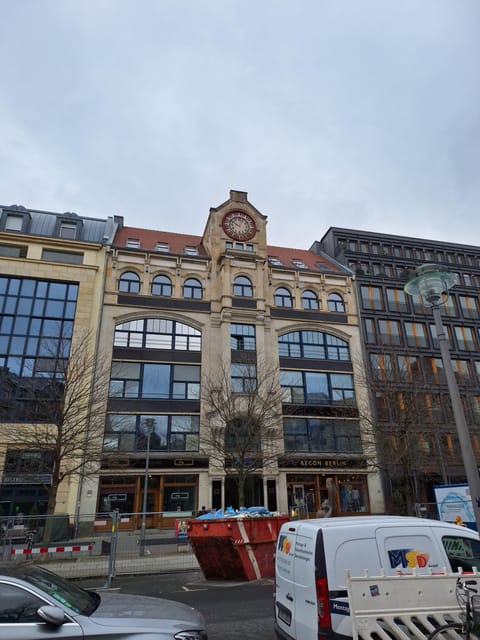
Many walking tours concentrate on Berlin’s famous political monuments. This one takes a different road through the city center. Its subject is the former Jewish economic district, where tailoring, clothing, fashion, and trade helped give Berlin money, style, and international energy.
The central idea is easy to grasp. An industry can look permanent until a government decides that the people who built it no longer belong. By following the Jewish tailoring trade, you see political persecution in practical terms. Shops close. Families lose work. A district loses its role. The damage reaches well beyond the people named in history books.
That makes this tour useful even if you already know Berlin’s larger story. You are not simply hearing another account of the Second World War. You are looking at how a city’s economy and public character changed under pressure from extremist rule.
The route also reaches beyond the Nazi period. You hear about Berlin under the Prussian Empire, the style and commercial confidence of the Roaring Twenties, the years before the Wall fell, and the city’s progress since reunification. That broad time span gives the walk a clear shape. You are not left with a frozen picture of loss. You see a district before, during, and after its destruction.
More Jewish Berlin and memorial walks:
- Berlin: Jewish Museum Berlin Entrance Ticket
★ 4.5 · 8,393 reviews - Nazi Berlin and the Jewish Community Tour
★ 4.8 · 55 reviews - Path of Resistance: Berlin’s Hidden Holocaust Stories
★ 5.0 · 33 reviews
Starting at Hausvogteiplatz
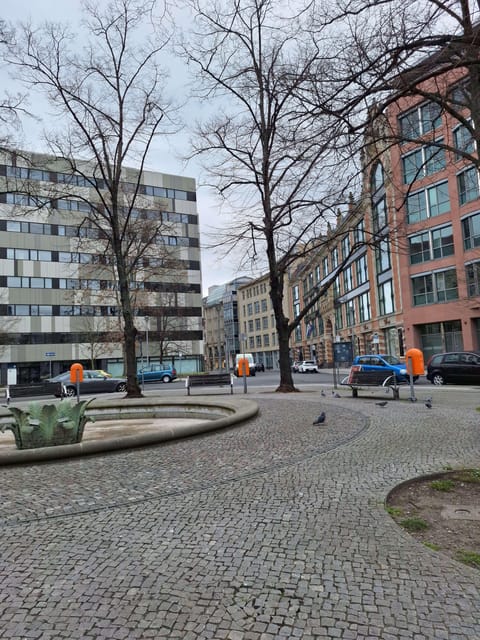
The walk begins at Hausvogteiplatz, a practical meeting point in Berlin’s center. Meet near the water fountain, close to the U2 train station. The guide carries a white side bag, which should make the meeting easier in a busy square.
Hausvogteiplatz is also an effective place to begin the story. The tour uses the square as more than a map reference. It introduces the former commercial district and sets up the link between Berlin’s buildings, streets, fashion trade, and Jewish life.
The first portion is guided for about 30 minutes. That is half of the total tour, so expect the main explanation to happen here. You will likely get the broad framework first: how the district grew, what the Konfektion industry meant, and how political events changed the people and businesses connected to it.
I would arrive a few minutes early. The listed meeting details are clear, but a central square can still take a moment to orient yourself. The nearby U2 station helps, especially if you are building this walk into a day of sightseeing around central Berlin.
The Konfektion industry and Berlin’s former economic power
The tour’s most unusual subject is the Konfektion industry. The supplied information describes it as the economic powerhouse that helped run Berlin before the Second World War. In plain terms, this was not a side trade tucked away from the city’s main life. It was tied to fashion, clothing, money, and the public image of modern Berlin.
That focus gives you a fresh way to read the streets. Instead of seeing only handsome squares and historic façades, you consider the workers, businesses, customers, and families connected to them. The tour presents the district as a place of hustle, fashion, and glamour before persecution broke its momentum.
The subject also helps explain why the story deserves more attention. Economic history can feel abstract when it is reduced to dates and statistics. Here, the industry becomes a way to understand daily life. People made clothes, built companies, developed styles, and took part in the city’s growth. Then political extremism attacked the population behind that success.
You should not expect a full technical course in tailoring. The walk lasts only an hour. Its value is the connection between streets and a larger human story, not a long list of production details.
Werderscher Markt after the opening story
The route continues to Werderscher Markt for about 15 minutes. This is a visit rather than the longer opening guided section, but it remains part of the connected central-city route.
At this point, the tour shifts from the first explanation toward specific places and surroundings. You get to admire a scenic and historic part of Berlin while keeping the focus on change. The square helps place the former Jewish economic district within the wider center, rather than treating it as an isolated pocket.
A stop of 15 minutes moves at a sensible pace. You have enough time to listen and look around, but not enough for a lengthy architectural survey. If you like to photograph buildings or pause over details, you may want to do that quickly and save a closer look for a later visit.
The value here is context. Berlin’s center is not a single story. Political power, commerce, fashion, architecture, and memory sit close together. This stop helps connect the tailoring district to the city around it.
More walking tours in Berlin:
- Discover Berlin Half-Day Walking Tour
★ 5.0 · 9,624 reviews - Berlin: Third Reich and Cold War 2 Hour Walking Tour
★ 4.9 · 6,830 reviews - Berlin: Discover Berlin Walking Tour
★ 4.9 · 5,998 reviews - Berlin’s Best: 2 Hour Walking Tour Third Reich and the Cold War
★ 5.0 · 5,486 reviews
Jägerstraße and the final look at change
The final stop is Jägerstraße, also set aside for about 15 minutes. The tour then returns to Hausvogteiplatz, so you finish where you started rather than having to find your way to an unfamiliar endpoint.
Jägerstraße gives the walk another place from which to consider the district’s development. The guiding theme remains the same: what Berlin was, what political regimes did to it, and how the area progressed after the Wall fell.
That last point is important. The tour does not stop with destruction. You also hear how Berlin changed after the fall of the Wall and how the area developed into the modern city. The information provided does not promise a detailed reconstruction of every post-1989 project, so you should think of this as a broad account of urban change rather than a specialist tour of reunification architecture.
Still, the return to Hausvogteiplatz gives the hour a neat finish. You leave with a timeline that moves from economic success to persecution, division, and later change.
The personal guide makes the difference
This is a live tour in English, led by a personal guide rather than delivered as a recorded route. That matters for a subject built around individual lives and lost businesses. A human guide can set the pace, explain a point in simpler terms, and respond when you want to connect the story to something you see.
The description emphasizes stories of how Berlin’s Jewish population developed, thrived, and, in some cases, survived. That wording signals a people-centered approach. You are not only studying an industry. You are hearing about the people who made it work and the extreme forces that tried to erase them.
No guide’s name is provided, so you cannot choose a particular person in advance. The experience provider is Stitching The Past, Tour Berlin. Its name fits the subject: the walk pieces together an economic and social story from places that may not announce their importance to passersby.
The five available ratings produce an overall score of 4.4 out of 5. The strongest praise focuses on the new perspective the walk provides and the amount of information about Berlin and its lost Jewish tailoring industry. That matches the tour’s main strength: it gives you a subject you might not encounter on a standard central Berlin route.
What the one-hour timing means
An hour is enough for a focused introduction, not a complete study of Berlin’s Jewish history. The route has about 30 minutes at Hausvogteiplatz, then 15 minutes at Werderscher Markt and 15 minutes at Jägerstraße. That structure keeps the walk easy to fit into a sightseeing day.
I like this length for your first day in Berlin, when you want a useful orientation without giving up half the afternoon. It also works well before or after another central-city activity. Since the walk ends at its starting point, you can continue with your plans without arranging a second transfer.
The short format asks you to pay attention. There will not be much spare time for long photo stops or wandering off to inspect every building. If you prefer leisurely walks with extended breaks, this may feel brisk.
The activity is wheelchair accessible, which makes the compact central route more practical for more visitors. The available information does not describe the surface of every street or the exact accessibility of each building, so you may want to confirm any specific mobility needs when booking.
Price, booking, and practical value
The listed price is $1.70 per person. At that level, the tour offers unusually good value if you want a quick, guided introduction to a less familiar part of Berlin’s past. You are paying very little for an English-language walk with a live guide, a route map, and an ordered list of activities.
There is also a donation-based booking option. To arrange that kind of tour, contact the provider by email or phone, including calls, messages, or WhatsApp. You must verify your arrival by email or phone when booking, so do not treat the reservation as complete without making that contact.
The low price should not lead you to expect a long excursion, museum admission, or printed historical handbook. The included experience is a walking tour around the city center, with historic buildings and areas explained along the way. The map and activity list help you follow the route, but the main product is the guide’s interpretation.
You can reserve now and pay later, which keeps your plans flexible. Free cancellation is available up to 24 hours before the tour for a full refund. The walk is not suitable for children under six, a reasonable limit for a short tour built around serious historical themes.
Who will get the most from this walk
I would choose this tour if you want Berlin history tied to ordinary work and city life. It suits you especially well if you have already seen the main memorials and want another way to understand what happened to Berlin’s Jewish population.
It is also a good pick for anyone interested in fashion, commerce, urban change, or the way political systems affect business. The tailoring industry gives you a concrete subject, so the history does not float free from the streets.
The route may appeal to first-time visitors, too. The location is central, the start is close to the U2, and the tour ends at the same square. You can fit it between larger sights without making a full-day commitment.
I would be more cautious if you want a detailed examination of Jewish religious life, a visit inside historic buildings, or an extended memorial tour. The information provided describes outdoor stops and historic areas, not museum entry or synagogue visits. This is a focused city walk about an economic district and its transformation.
Families with very young children should choose another activity because children under six are not accepted. Older children may benefit if they can engage with the serious subject and keep up with the one-hour pace.
A few sensible tips before you go
Wear shoes suited to a city walk. The duration is short, but the route moves among several central locations and includes standing at each stop.
Arrive near the fountain at Hausvogteiplatz with enough time to identify the guide’s white side bag. The U2 station is close, making public transport a simple option.
Keep your expectations focused. You are coming for stories, connections, and a new way to read central Berlin, not for a large collection of indoor exhibits.
If the donation-based format interests you, contact Stitching The Past before arrival. The booking information specifically asks for confirmation by email or phone, so this is one tour where a quick message matters.
Should you book the historic Jewish walking tour?
Book it if you want a short, inexpensive, thoughtful route through Berlin’s former Jewish tailoring district. The strongest reason to go is its subject. The walk shows how a major industry and the people behind it were shaped by political extremism, then places that story within Berlin’s later division and change.
The main limitation is depth. One hour cannot cover every person, building, or period in detail. But for the price, the central location, the return to the starting point, and the clear focus on the Konfektion industry, the tour offers strong value.
I would use it as a compact introduction, then spend more time later at any site or period that catches your attention. If you want a fresh perspective on Berlin rather than another pass by the usual landmarks, this is a smart choice.
FAQ
Where does the tour start?
The tour starts at Hausvogteiplatz square, near the water fountain and close to the U2 train station.
How can I identify the guide?
Look for a guide carrying a white side bag.
Where does the tour finish?
The activity ends back at Hausvogteiplatz, the same place where it begins.
How long does the walking tour last?
The tour lasts one hour. You need to check availability for the specific starting times.
What language is the tour offered in?
The live tour guide speaks English.
Is the tour wheelchair accessible?
Yes, the activity is listed as wheelchair accessible.
Is the tour suitable for young children?
The tour is not suitable for children under six years old.
What is the cancellation policy?
You can cancel up to 24 hours in advance for a full refund. You can also reserve now and pay later.
More History Walks in Berlin
- Berlin: Natural History Museum Entrance Ticket
★ 4.6 · 3,382 reviews - Berlin: World Heritage Cruise to Potsdam
★ 4.5 · 1,435 reviews - Berlin Historical Highlights Walking Tour
★ 4.9 · 657 reviews - Berlin Private Complete History All Day Walking Tour
★ 5.0 · 474 reviews
Just added around Berlin
- Berlin Highlights in One Day★ 5.0 · 3 reviews
- Private Berlin One Day Tour with a Local: See the City Unscripted★ 3.5 · 3 reviews
- Individual city tour Berlin for max. 8 persons★ 5.0 · 3 reviews
- Transfer from Berlin Schönefeld Airport (SXF) to Berlin city Hotels – ROUND TRIP★ 4.0 · 3 reviews
- Berlin: Museum Island Tour★ 5.0 · 3 reviews
- Private Analogue Photography Experience in Berlin★ 5.0 · 3 reviews
- Berlin: Local Food Tour in Secrets Hidden Gems★ 4.0 · 3 reviews
- Berlin & The Third Reich Private Guided Tour★ 5.0 · 3 reviews
Jewish Berlin & Holocaust Memorials, compared.

Path of Resistance: Berlin’s Hidden Holocaust Stories
Read our review →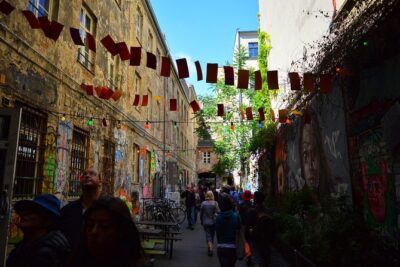
Private Tour: Jewish Heritage Walking Tour of Berlin
Read our review →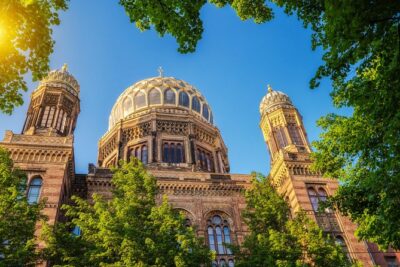
Jewish Berlin: Walking tour The Old Jewish Quarter (private 3 Hours tour)
Read our review →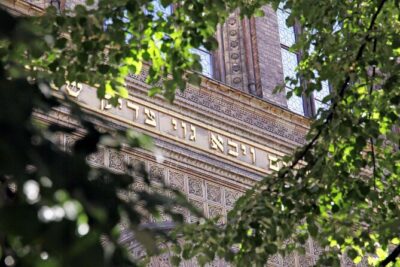
Path of Resistance: Berlin’s Hidden Holocaust Stories
Read our review →
Browse the lists this tour appears in